Open with the hook, not the square footage
The first sentence decides whether the rest gets read.
Nine out of ten descriptions open with type, floor area and year of construction. All true, none of it persuasive: the reader saw those numbers in the filter, and the portal repeats them beside your text. Your text exists to do what a table cannot: make someone see themselves living there.
Test it: if your opening line fits another property word for word, it is filler. Start with the property's strongest asset: the location, the view or the life it makes possible.
- Weak: "Spacious three-bedroom apartment in a quiet residential area."
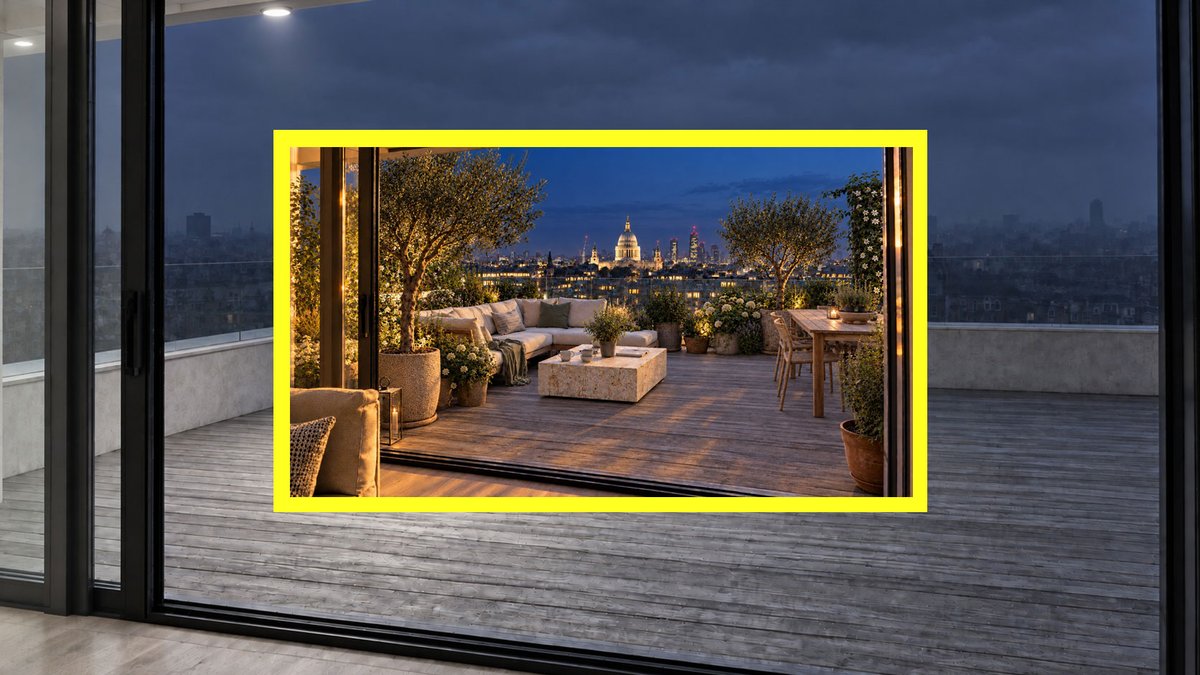
- Strong: "Three floors up, the city noise stops and the terrace looks out over the rooftops."
Write the route a visitor actually walks
A description in viewing order is easier to write and far easier to picture.
You walk that route on every viewing, so use it on paper: the street and facade, the entrance, the living space and where the light comes from, the kitchen (where the decision is usually made), the bedrooms, the outdoor space and its orientation, the extras, the neighbourhood, and finally what the reader should do next. Not every step is needed, but skipping one should be a choice, not an oversight.
The words that work
Specific and sensory beats grand and vague, every time.
Describe the experience, not the specification: "wake up to the morning sun" does work that "east-facing bedroom" never does. Use words a reader can feel (light, quiet, warm, open), exact numbers where they impress, and mention a recent renovation and the energy rating: they translate into value.
The description is already your video script
Same hook, same order, shorter sentences, ready to speak aloud.
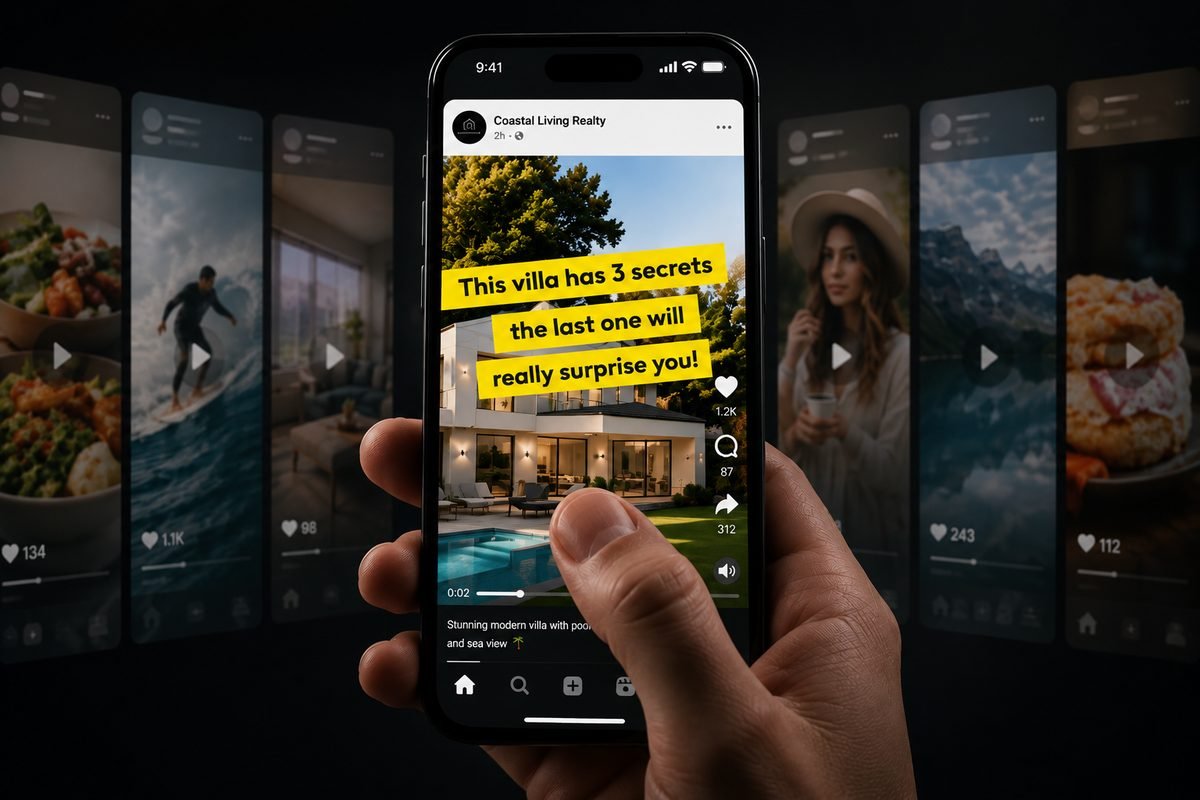
A text in walking order is a tour, exactly what a property video is. Three changes are enough: halve the sentences, switch to present tense and second person ("you step into a light-filled living space"), and put the hook in the first three seconds. More in hooks, B-roll and 9 techniques.
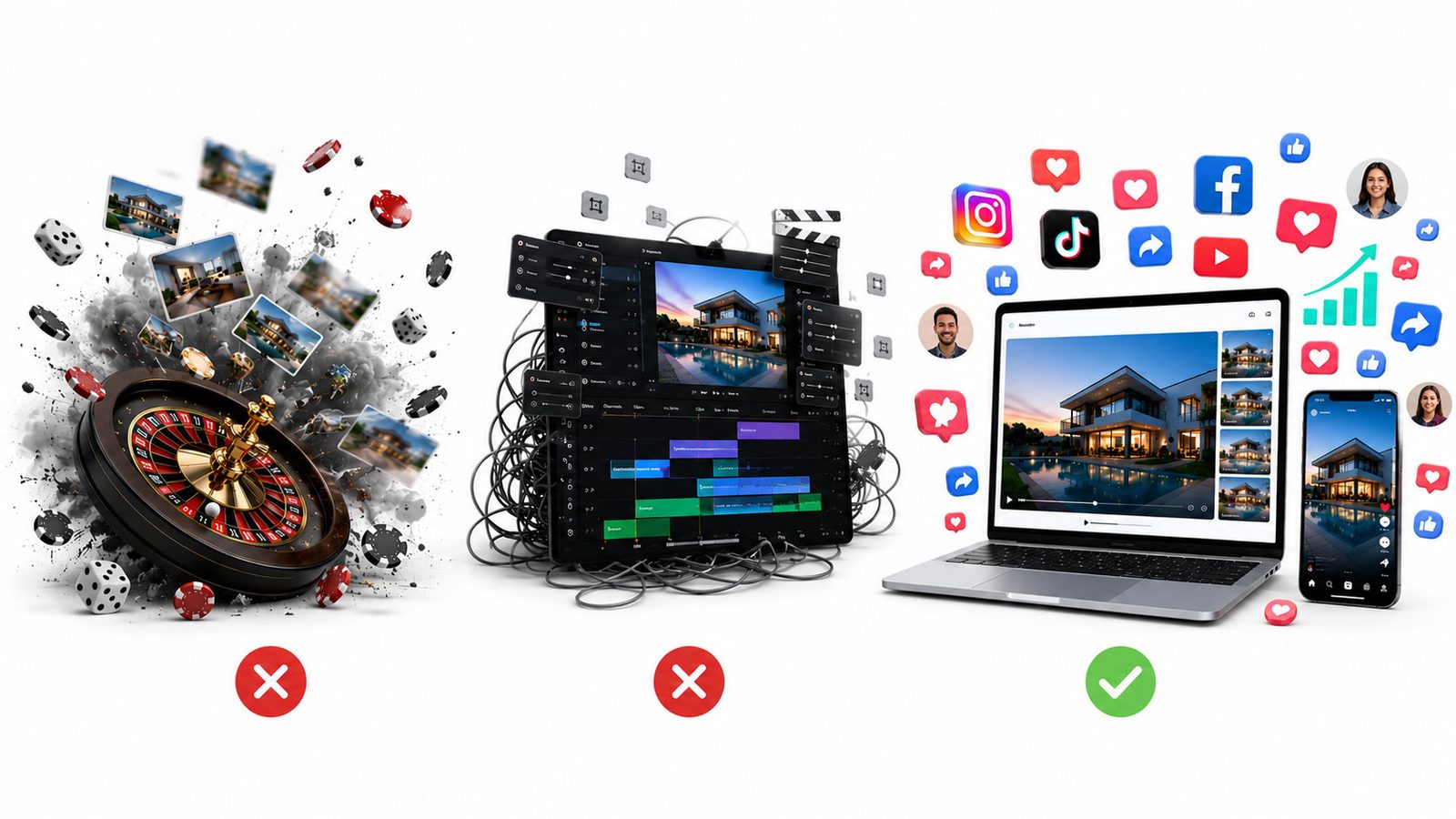
With Nanopixo, description and video come from the same property data: your text becomes voice-over, on-screen text and captions without a second writing job, and goes to six social channels in the reader's language.
Conclusion
The difference is not talent, it is order and specificity.
Open with the strongest thing you have, walk the route a visitor walks, and replace every adjective that fits anywhere with a detail that only fits here. Try it for free and turn the description you just wrote into a video and a series of posts.